Medical Neighborhood
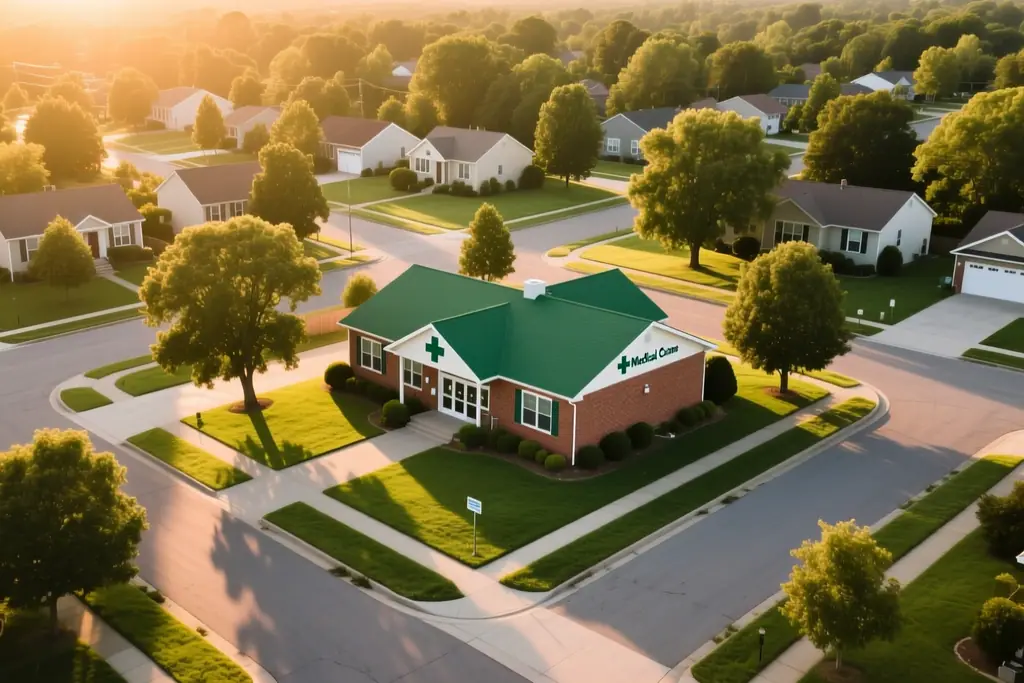
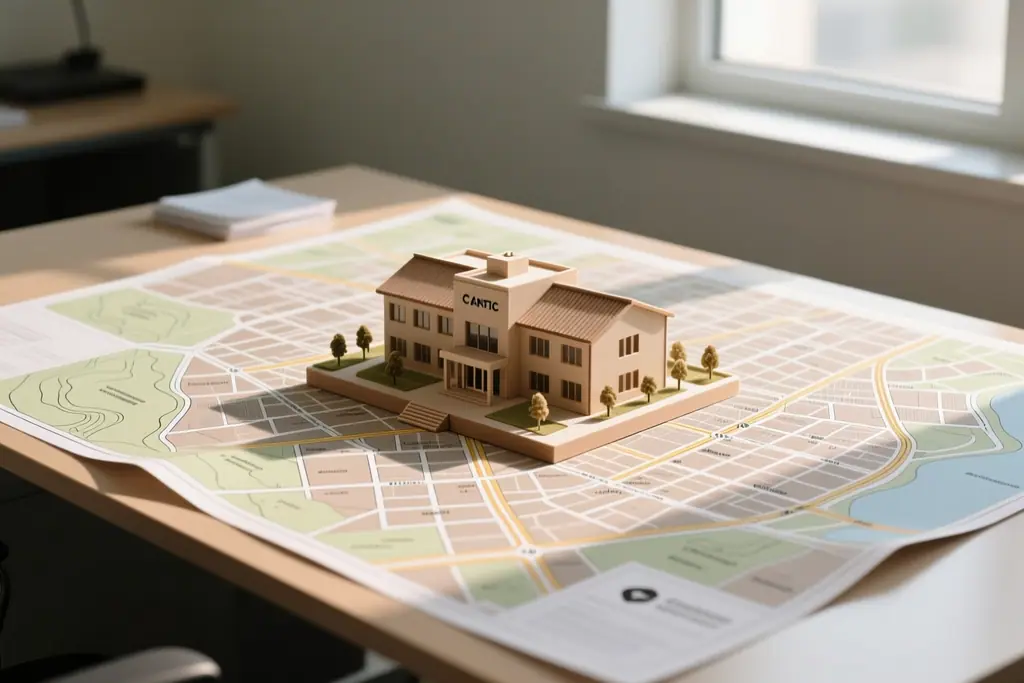
The medical neighborhood describes how the different parts of the health system work together around a patient. It is the wider circle that surrounds a primary care practice: the specialists, hospitals, pharmacies and community services that a patient may need, and the coordination that should connect them.
Why the wider circle matters
A patient centered medical home does well when it can rely on the organisations around it. If a referral disappears without a reply, if a hospital discharge is not communicated or if a community service is unaware of the plan, the coordination the medical home provides breaks down at exactly the point where a patient is most vulnerable.
The medical neighborhood is the name the programme gives to the work of making those connections reliable. It treats the primary care practice as the centre of a set of relationships rather than as an isolated service, and it recognises that the quality of care depends on how well those relationships function.
What coordination looks like
In practice, coordination means that information moves with the patient. Referrals carry the reason for the referral and the expectation of a reply, hospital and specialist information reaches the practice that holds the patient's record, and follow-up happens because someone is responsible for it.
It also means that roles are clear. Patients should not have to carry information between organisations themselves, and providers should not have to guess who is responsible for the next step. Making the roles explicit is part of what distinguishes a working neighborhood from a group of unrelated services.
Connecting to other programme efforts
The medical neighborhood sits between the programme's other parts. Episodes of care define the bundles of services around a procedure or condition, patient centered medical homes define how primary care is organised, and health homes address patients with the greatest coordination needs.
The neighborhood draws those together in a single picture: the patient's care is a set of connected encounters, and the payment model is designed to reward the coordination that keeps them connected rather than to reward each encounter in isolation.
The direction of travel
Becoming a medical neighborhood is a change in practice rather than a single document to sign, and it happens gradually as communication improves and relationships mature. The programme's model gives practices a reason to invest in it, because coordinated care is what the quality and cost measures are designed to recognise.
The details of how the neighborhood operates are set out in the programme's official materials, which should be consulted for current expectations and any specific requirements that apply to participating providers.
The benefit to patients is largely invisible when it works. A referral that is acknowledged, a discharge summary that reaches the right practice and a follow-up call that arrives on time are not dramatic, but they are the difference between a plan that is carried out and one that lapses. The medical neighborhood is the programme's name for making those ordinary connections dependable, so that patients are not left to carry information between organisations or to chase the next step themselves.
What a medical neighborhood involves
- Reliable communication between primary care and specialists.
- Information that travels with the patient across organisations.
- Clear responsibility for follow-up after a referral or discharge.
- Links to hospitals, pharmacies and community services.
- Coordination that supports the patient centered medical home.
- Arrangements set out in the programme's official guidance.
Parts of the neighborhood
| Participant | Role |
|---|---|
| Primary care practice | Centre of the patient's care and coordination |
| Specialists | Provide specific services and report back |
| Hospitals | Care during admission and at discharge |
| Community services | Support outside the clinical setting |
| Patient and family | Partners in the plan, not carriers of information |
The medical neighborhood is described in general terms here, and specific expectations for participating providers are set out in the programme's current official materials. Providers should confirm those expectations before relying on any particular arrangement.